
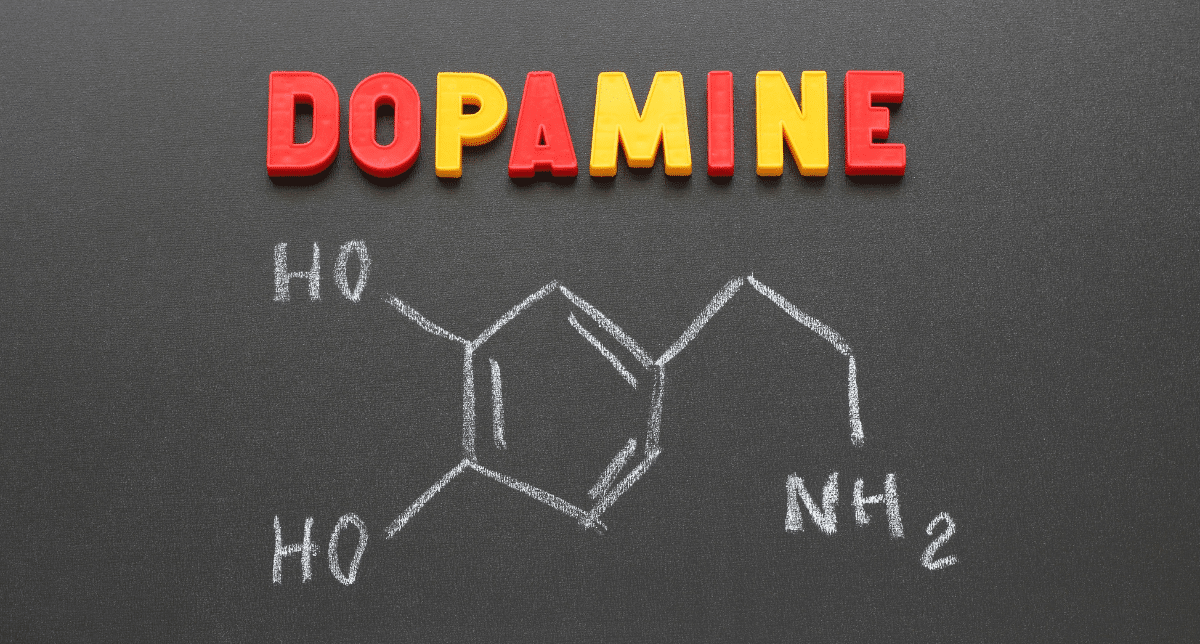
ADHD (Attention Deficit Hyperactivity Disorder) is a neurodevelopmental disorder involving dysfunction in dopamine and noradrenaline signalling within key brain regions that regulate attention, impulse control, and reward. In this post we explore the link between ADHD and vaping.
Its prevalence according to NICE and the NHS is around 4% in adults, with an estimated 2.5 million adults in the UK with the condition (diagnosed and undiagnosed). This is in keeping with the global rate of around 3%. Therefore it is far from an uncommon disorder, and many cases remain undiagnosed,
ADHD brains typically show lower dopamine availability, especially in the prefrontal cortex (PFC) area of the brain, which is the main area that controls 'executive function.'
Think of executive function as 'the CEO' of the brain: it is involved with planning, focus, remembering instructions, regulating emotions, and controlling impulses.
- Dopamine is crucial for motivation, reward processing, and attention regulation.
In addition to dopamine dysfunction (or impaired 'wiring') noradrenaline circuits of the brain are also implicated.
- Noradrenaline regulates attention, memory, and executive function, as highlighted above.
The Result and Core Symptoms of ADHD
This results in a multitude of possible symptoms, of varying severity, dependent on the individual. The core symptoms are:
- Inattention
- Hyperactivity
- Impulsivity
- Difficulty focusing
- Poor memory
- Trouble with organisation, and
- Struggling to complete tasks.
There are many more, given the complexity of the condition.
How Vaping Effects Individuals With ADHD
Impulsivity and Novelty Seeking
The core ADHD symptoms, as named above, make trying and maintaining addictive behaviours much more likely.
Vapes are highly designed for instant reward - flavoured, portable, and deliver rapid nicotine spikes, in a highly addictive nature.
Studies have shown that ADHD doubles the risk of nicotine dependence in adults.
Many people with ADHD self-medicate with nicotine to relieve the symptoms of ADHD, as nicotine stimulates dopamine and noradrenaline release, improving the symptoms of ADHD, at least in the short term.
However, over time, nicotine worsens dopamine receptor sensitivity, further depleting natural reward signalling.
This, therefore, means baseline ADHD symptoms can actually worsen when not vaping, deepening dependence to try and maintain control. A vicious loop is triggered, which is very difficult to control.
The ADHD and Vaping Cycle
Here’s the cycle that often forms:
- ADHD baseline → low dopamine, restlessness, poor focus.
- Vape nicotine → dopamine spike → temporary calm/focus.
- Nicotine wears off → dopamine crash → worsened ADHD symptoms.
- Craving for relief → vape again.
- Dependence develops, making ADHD management even harder.
The adolescent and young adult brain is particularly vulnerable, as the brain continue to grow until the age of 25, so the impact of vaping on brain dysfunction can become long-term.
5 Top Tips for Managing ADHD and Quitting Vaping
1. Don’t Just Remove the Vape - Replace the Reward
Your brain still needs dopamine. Find other ways to get it that are natural and healthy - not just quick maladaptive coping strategies, such as vaping.
Exercise, creative hobbies, music, gaming, a diet high in dopamine nutrients, cold showers, and a support network with close friends and family all release natural dopamine. The key is frequency over intensity - small bursts of natural reward, throughout your day.
Try this: write a short list of 'dopamine resets' - five things that boost your mood without nicotine. Keep it somewhere visible - your phone, fridge door, post-it notes. Anywhere that is frequently visible to you.
2. Structure Your Day
People with ADHD thrive on stimulation. Plan your day in blocks: morning focus, midday break, evening unwind. Having predictable patterns keeps your brain calmer and reduces impulsive urges to vape. Having structure to your day, with blocks of focus, relaxation, and natural dopamine boosts, helps to reduce the impulsivity of reaching for your vape and reduce your baseline levels of ADHD.
Even setting alarms for blocks of exercise (a 20-minute walk counts), calling a friend, playing with a pet, and taking rest breaks can all reduce triggers by keeping a structured schedule.
3. Use Your Hyperfocus Wisely
One of ADHD’s hidden powers is the ability to deep dive into what matters. Use that intensity to your advantage when you are attempting to quit - research vaping facts, design your own progress tracker, or start a vape-free streak challenge. Turning curiosity into behavioural change can redirect the dopamine reward system into healthy action to break free from vaping addiction.
Channel the drive, not the cravings. They do not control you.
4. Treat Yourself with Compassion, Not Self-Criticism
Every craving teaches you something about your triggers: stress, boredom, anxiety, social anxiety. Turn this into positive action. What were you thinking, feeling, or doing at the time?
WRITE IT DOWN. Notice the patterns that emerge, and then you can develop an action plan when the triggers happen.
If you slip up, this doesn’t mean failing - it is a learning opportunity. That mindset shift reduces shame, which is one of the biggest barriers to quitting for people with ADHD. Slipping up doesn’t mean failing - it means learning. Please reinforce that. Over and over again.
You are already battling the symptoms of ADHD. Nicotine is very addictive - the third most addictive drug known to science. So be kind to yourself during the quitting phase - it may be difficult, but it is certainly not insurmountable.
5. Get the Right Kind of Help
If you have ADHD, quitting cold turkey alone can feel overwhelming. You might need a mix of:
- Professional support - ADHD therapy, an ADHD-specialised Psychiatrist medication review, or nicotine replacement therapy. There are several ways to quit vaping - using an informed decision based on the pros and cons of each: pick the right way for you.
- Community accountability - friends, family, a 'quit buddy', credible forums (not Reddit), or groups who understand both ADHD and addiction. Having accountability provides motivation and ensures you are not in this alone. This is very important and highly recommended.
- Digital tools - like Vape Escape - that provide education, support and a structured plan. This may sound biased, but their is a complete scarcity of resources available for vaping addiction currently available, let alone for ADHD and vaping addiction combined.
- About me: Dr Marc Picot (or Marc) - I am a GP, Health Coach, and most importantly, ex-vaper. My medical knowledge, and personal background, combined with passion and a skillset, drives me to help people like you, with ADHD and vaping addiction, to break free from addiction for good.