
Helping Employers Tackle Vaping in the Workplace
Vape Escape supports HR, occupational health and leadership teams to reduce vaping-related disruption, improve staff wellbeing, and save insurance costs.
Vaping in the Workplace - How Common is it?
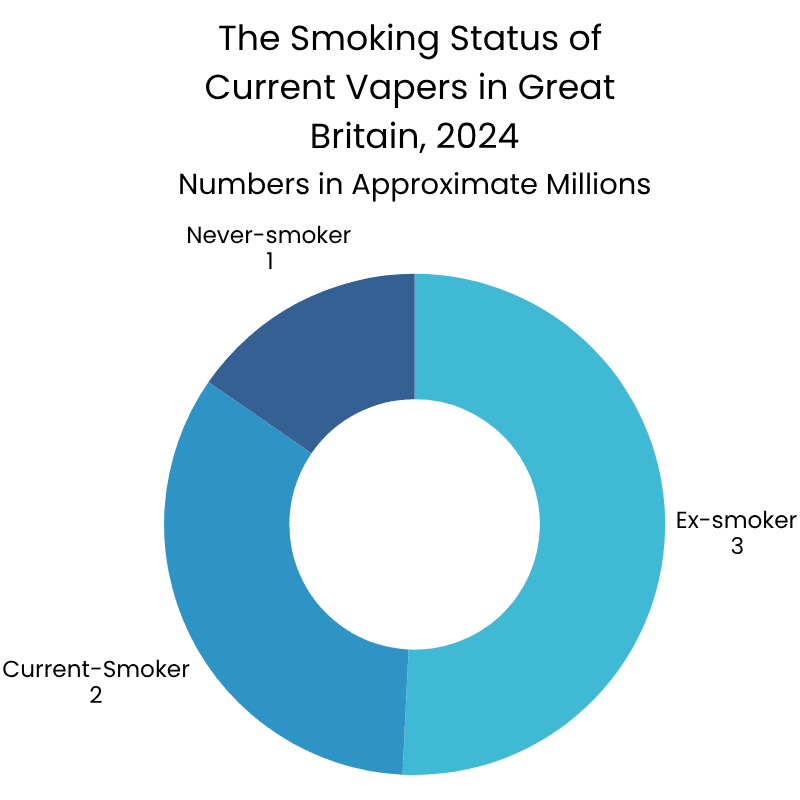
e-Cigarettes (or vapes) are now used by millions of adults across Great Britain.
Recent national surveys estimate around 10% of adults vape (5.5 million people). 1 million of these are never-smokers - half of these vaping daily.
Many of these are employees — and most will vape during the working day, or on work breaks. This creates practical challenges for employers around supervision, health and workplace rules.
Risk Factors Associated With An Increased Chance of Vaping
The Impact of Vaping on Businesses
Absenteeism

Initial research indicates that vapers are more likely to have higher absenteeism than those who abstain from nicotine, mirroring the patterns seen with smokers.
Vaping has been linked to a 34% higher incidence of illness or injury-related absences compared to never-vapers.
Similarly, vapers were 65% more likely to skip work (unexcused absences) than non-vapers.
Productivity

Early findings suggest potential indirect impacts on productivity.
Unlike smoking, vaping devices can be used discreetly, resulting in workplace vaping, including setting off smoke alarms.
A 2020 survey found that workplace vaping was a trigger for coworkers who smoke, with 50% stating that witnessing vaping would result in a desire for a cigarette break.
Workplace Culture

These results could argue that vaping within the workplace could undermine quit-smoking attempts.
This would have subsequent implications of ongoing smoking amongst employees, with health and absenteeism effects.
Amongst vapers, 72% supported use of digital services to help them quit, and 68% would talk to a Doctor about quitting.
Insurance and Premium Implications
Most of the major insurers (Vitality, Legal and General, Zurich, etc) classify vaping the same way as smoking. For global Private Medical Insurance (PMI), they set the insurance premium on an "experience" basis. This is related to previous claims made by a company. For businesses, being involved in wellbeing initiatives to reduce the vaping rates can result in bargaining power when negotiating corporate health cover - even a 10% reduction in vaping rates can result in a significant reduction in overall premium cost.
Beyond premiums, vaping contributes to:
- Absenteeism - time off for vaping-related health issues.
- Lost productivity - frequent vape breaks during working hours.
- Wellbeing & culture impact - stress for non-vaping colleagues, increased risk of smokers relapsing by seeing vapers vaping.
- One third of parents whose children vape report distractions and absenteeism.
This is dependent on company size. For companies with <100 employees, they use an "aggregated" (or "community") based method. This means premiums are based on basic factors such as age, gender, location, and type of work. For companies with >250 employees, they use an "experience" method. This is based on the number of claims made in the past year. Insurance premiums are renewed on an annual basis. For those between 100-250 employees, dependent on insurer, sometimes a hybrid method is used.
Individual employee health conditions and risk factors, such as smoking and vaping, are not asked for in either.
Yes. By supporting employees to quit:
- Companies reduce insurance costs - by showing involvement with wellbeing initiatives.
- Healthier employees mean less absenteeism and higher productivity.
- Reduces risk of smokers relapsing - with its associated risks of sick days and health costs, given half are triggered by seeing vaping within the workplace happening discreetly.
- Educate employees on the health impact of vaping.
- Offer quit support through structured programmes like Vape Escape.
- Negotiate with insurers by showing you’re taking proactive steps to reduce vaping prevalence in your workforce.
- Track outcomes (reduced vaping rates, sick days) to strengthen your case for better terms.
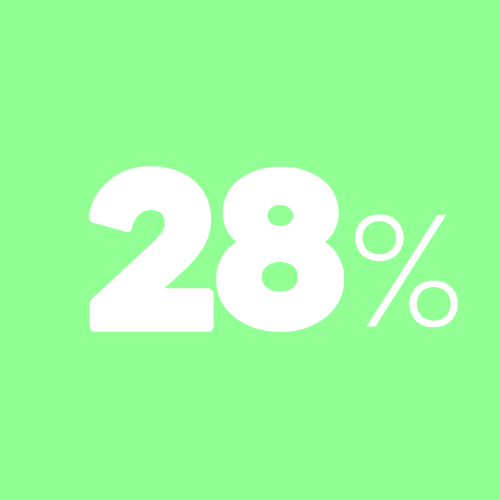
Vitality’s claims‑rated corporate schemes report engagement with its wellness programmes results in
28 % lower healthcare costs.
The Extra Costs of Absenteeism For Vapers
This is based on the Office of National Statistics (2025) average UK salary of £37,804.
For an average higher salary, or the greater the number of employees, the extra cost will be higher.
This figure does not factor in the reduction in productivity and insurance claims made as a result of vaping, which will increase annual premium renewals.
Note: the research paper upon which the increased rates of absenteeism were derived is US-based - we do not have any available UK-based data yet, so actual rates may differ.
The ROI of Quitting – Business Savings for Absenteeism Alone
How Vape Escape Can Help
Corporate Workshops

For employees: In-person or virtual expert GP led workshops, designed to help create awareness of the risks of vaping, and how our support is available for those wishing to quit.
For employers: Consultancy on how to initiate vaping wellbeing incentives within the workplace, and on policy setting for vapers within the workforce.
The Last Puff eBook

Authored by Dr Picot, a 53 page eBook available for instant download that vapers can work through at their own pace, to compliment our other digital services as part of the corporate package.
Each vaper will prefer their own learning style, or incorporate multiple together, to maximise the success of quit attempts.
Digital Course

18 lessons, broken up into 5 modules, plus a bonus module with downloadable resources to compliment the learning programme. Created with video content supplemented by text and interactive elements, designed to keep users engaged.
Mobile App

The first quit vaping app designed by a Doctor and ex-vaper, our mobile app, Vape Escape, is the pocket tool with progress and motivational tracking, a content hub with craving management, and science-backed psychological techniques.
As Featured In